
The threat facing
Tarpy Flats
The threat facing Tarpy Flats
The threat
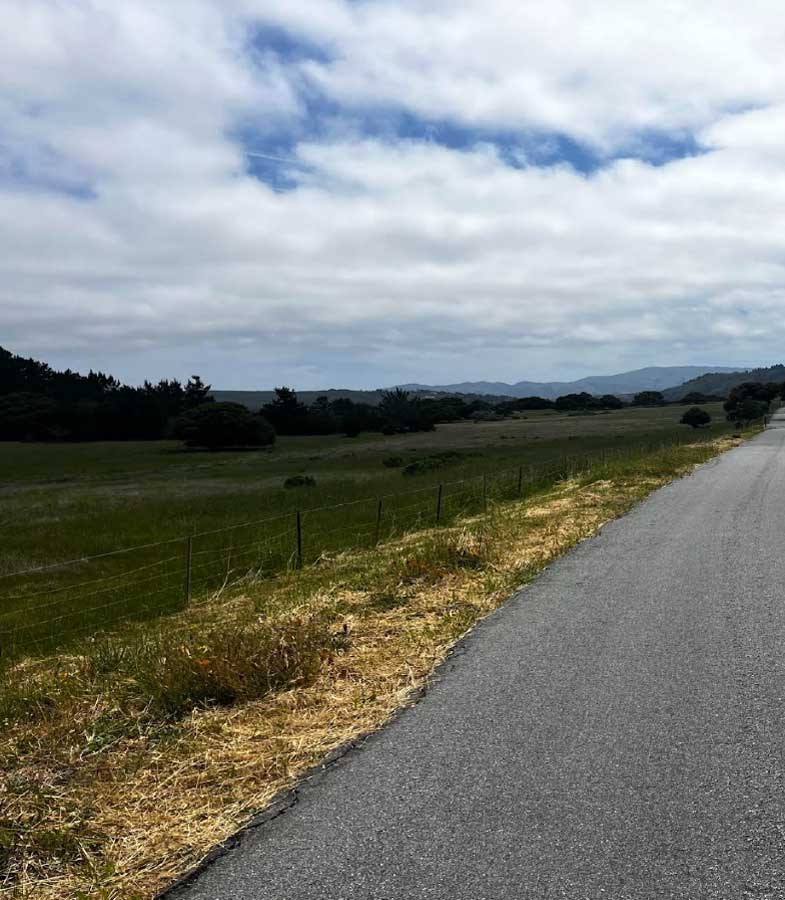
The proposed development for Tarpy Flats, as outlined in Monterey County’s Regional Housing Needs Allocation (RHNA) plan, calls for the construction of over 725 housing units, including high-density. Eighty percent (580 housing units) of the units will be for ‘market rate’ (expensive) housing, and only twenty percent of the housing units will be to support affordable housing.
The City of Monterey proposal for the school district site calls for 51 low-income units, 51 moderate-income units, and 512 market-rate units (614 units in total). The combined total for the County and the City is 1,339 housing units.
The threat
The proposed development for Tarpy Flats, as outlined in Monterey County’s Regional Housing Needs Allocation (RHNA) plan, calls for the construction of over 725 housing units, including high-density. Eighty percent (580 housing units) of the units will be for ‘market rate’ (expensive) housing, and only twenty percent of the housing units will be to support affordable housing.
The City of Monterey proposal for the school district site calls for 51 low-income units, 51 moderate-income units, and 512 market-rate units (614 units in total). The combined total for the County and the City is 1,339 housing units.
The threat
The proposed development for Tarpy Flats, as outlined in Monterey County’s Regional Housing Needs Allocation (RHNA) plan, calls for the construction of over 725 housing units, including high-density. Eighty percent (580 housing units) of the units will be for ‘market rate’ (expensive) housing, and only twenty percent of the housing units will be to support affordable housing.
The City of Monterey proposal for the school district site calls for 51 low-income units, 51 moderate-income units, and 512 market-rate units (614 units in total). The combined total for the County and the City is 1,339 housing units.
Before
After
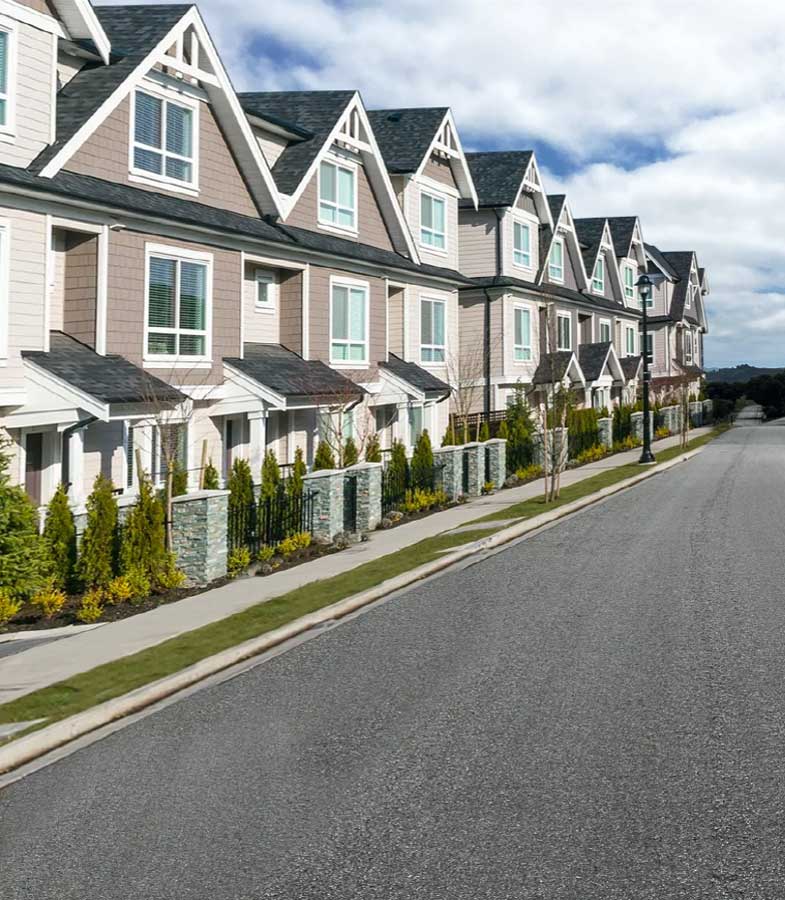
*image above is an artist’s rendering
Why it matters
Increased traffic gridlock and congestion
The proposed development would add over 5,000 car trips per day to a two-lane road with limited capacity to handle the existing traffic. Highway 68 and Olmsted Road intersection next to the airport already faces heavy congestion, with long queues and stop-and-go traffic. Over five thousand more cars daily would worsen delays at this already overburdened intersection, severely hinder emergency response times, and threaten public safety.
Vehicle traffic to and from the airport passes mainly through the intersection of Highway 68 and Olmsted Road. In 2024, over 600,000 visitors came in and out of Monterey Airport, which is set to increase. The proposed development will significantly impede vehicle access to the airport. (See Resources or Click Link for KDL Associates Wildfire Evacuation Estimate)
Increased traffic gridlock and congestion
The proposed development would add over 5,000 car trips per day to a two-lane road with limited capacity to handle the existing traffic. Highway 68 and Olmsted Road intersection next to the airport already faces heavy congestion, with long queues and stop-and-go traffic. Over five thousand more cars daily would worsen delays at this already overburdened intersection, severely hinder emergency response times, and threaten public safety.
Vehicle traffic to and from the airport passes mainly through the intersection of Highway 68 and Olmsted Road. In 2024, over 600,000 visitors came in and out of Monterey Airport, which is set to increase. The proposed development will significantly impede vehicle access to the airport. (See Resources or Click Link for KDL Associates Wildfire Evacuation Estimate)
Increased fire risk
Tarpy Flats is in a state-designated high fire hazard severity zone marked by dense vegetation, dry conditions, and frequent winds. The strain on local water supplies creates a risk of inadequate water pressure for firefighting in the event of a significant fire. ((See Resources or Click Link for Hillman Wildfire Threat Analysis and KDL Associates Wildfire Evacuation Estimate)
Increased fire risk
Tarpy Flats is in a state-designated high fire hazard severity zone marked by dense vegetation, dry conditions, and frequent winds. The strain on local water supplies creates a risk of inadequate water pressure for firefighting in the event of a significant fire. ((See Resources or Click Link for Hillman Wildfire Threat Analysis and KDL Associates Wildfire Evacuation Estimate)
Serious evacuation concerns
There are currently 72 homes in Monterra and 42 in Oak Tree Views. The proposed housing development would result in a sevenfold increase in residents relying on a single vulnerable chokepoint: the intersection of Olmsted Road and Highway 68. In recent years, California has seen how limited evacuation routes can complicate emergency response and put people at risk during fast-moving wildfires.
The KLD report analyzed the time it would take to evacuate the area in the event of a wildfire. They reported that under the current housing density in the Tarpy Flats area, it will take approximately 2 hours and 10 minutes to evacuate 90% of the residents, leaving roughly 1000 cars (2000 residents) trapped. The additional housing will increase the number of vehicles and residents trying to escape. In that same 2 hours and 10 minutes time duration, over 6000 vehicles (12,000 residents) may be trapped.
Serious evacuation concerns
There are currently 72 homes in Monterra and 42 in Oak Tree Views. The proposed housing development would result in a sevenfold increase in residents relying on a single vulnerable chokepoint: the intersection of Olmsted Road and Highway 68. In recent years, California has seen how limited evacuation routes can complicate emergency response and put people at risk during fast-moving wildfires.
The KLD report analyzed the time it would take to evacuate the area in the event of a wildfire. They reported that under the current housing density in the Tarpy Flats area, it will take approximately 2 hours and 10 minutes to evacuate 90% of the residents, leaving roughly 1000 cars (2000 residents) trapped. The additional housing will increase the number of vehicles and residents trying to escape. In that same 2 hours and 10 minutes time duration, over 6000 vehicles (12,000 residents) may be trapped.
Irreversible damage to Tarpy Flats’ wildlife
Tarpy Flats is in a state-controlled, environmentally sensitive wildlife ecosystem unsuitable for high-density housing. The proposed Tarpy Flats development would permanently destroy one of Monterey County’s most scenic, ecologically rich, and culturally significant landscapes. Framed by oak woodlands, coastal views, and Jacks Peak, the area is home to various wildlife species, including deer, hawks, foxes, and native pollinators. It is also home to several federally protected plants.
Irreversible damage to wildlife
Tarpy Flats is in a state-controlled, environmentally sensitive wildlife ecosystem unsuitable for high-density housing. The proposed Tarpy Flats development would permanently destroy one of Monterey County’s most scenic, ecologically rich, and culturally significant landscapes. Framed by oak woodlands, coastal views, and Jacks Peak, the area is home to various wildlife species, including deer, hawks, foxes, and native pollinators. It is also home to several federally protected plants.